Sheila Mendes has been engaged in Nursing in the last 34 years. Her philosophy of care is rooted in the belief that health care is not merely the management of one’s diseases but the active stewardship of the human body. She views health as a dynamic, holistic state of well-being that must be actively promoted and fiercely protected. By partnering with patients as a health champion, educator, advocate, and guide, she empowers individuals and communities to prevent illness, reclaim autonomy over their own bodies, and achieve their highest potential through transformational lifestyle utilizing evidence-based conventional medicine and integrative modalities.
Her 3 Pillars of Practice are: 1) Health stewardship by managing the present. 2) Shielding the future by illness prevention. 3) Elevating the baseline through health promotion.
Sheila is a happy wife of a retired U.S. Navy Chaplain and has 3 wonderful kids. They live in Clay County along with their dog named Anaya, and a cat named Alex. She loves serving at her church and community in many different roles. Sheila was born to seasoned educators and a sibling to brothers and sisters in healthcare, military, and education.
Recent Experience:
Family Nurse Practitioner, Primary Care/Internal Medicine Clinic Reynaldo G. Fermo, MD, PA Internal Medicine Clinic, December 2025-July 2026
RN Clinic Staff, General Internal Medicine Mayo Clinic-Florida, January 2025-Present
Integrative RN Clinic Staff, Integrative Medicine Clinic/General Internal Medicine Mayo Clinic-Florida, March 2023-January 2025
Charge Nurse, Short Stay Unit (Post-Orthopedic Surgery/Hematology & Oncology Unit) Mayo Clinic, Florida, November 2021-March 2023
Staff Nurse & Relief Charge Nurse, 7N (Pulmonology/Gastroenterology Unit) Mayo Clinic-Florida, August 2018-November 2021
Sheila starts at Balanced Physician Care on August 5, 2026.
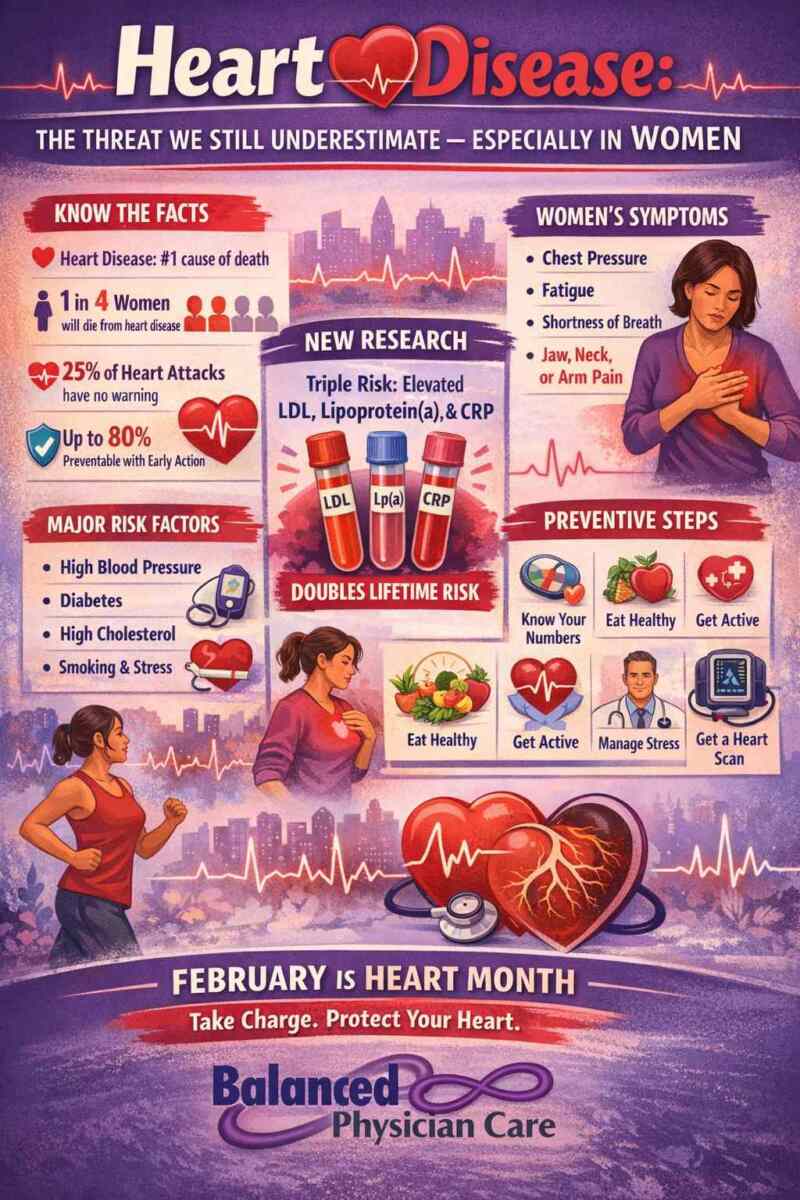
Heart disease continues to be the leading cause of death in both men and women. Yet despite decades of awareness campaigns, it remains misunderstood, under-recognized, and frequently missed — particularly in women.
While much of this discussion focuses on women because of unique risk patterns and outcomes, the majority of this information applies to men as well. Cardiovascular prevention is not gender-exclusive — it is human health.
The Reality in Numbers
Some statistics are too important to ignore:
Heart disease remains the #1 cause of death for both men and women.
1 in 5 heart-related deaths occurs before age 65.
About 25% of heart attacks happen without warning symptoms.
Up to 80% of cardiovascular disease is preventable with early identification and lifestyle changes.
Those numbers tell a powerful story: prevention works — but only if we act early.
Women and Heart Disease: What We Can’t Afford to Miss
The data surrounding women and heart disease is particularly striking:
1 in 4 women will die from heart disease.
By comparison, 1 in 30 women will die from breast cancer.
Heart disease causes more deaths in women than all cancers combined.
Although men experience more heart attacks overall, women are more likely to die from theirs.
Under age 50, women are twice as likely to die after a heart attack compared to men.
Despite this, only about half of women recognize heart disease as their greatest health risk.
That gap in awareness is dangerous.
What New Research Is Showing Us
A Breakthrough in Long-Term Risk Prediction
A landmark 2024 study demonstrated that combining three biomarkers dramatically improves long-term cardiovascular risk assessment in women:
LDL cholesterol
Lipoprotein(a)
High-sensitivity C-reactive protein (hs-CRP)
Women with elevations in all three markers had more than double the lifetime risk of cardiovascular disease — even when they were young and symptom-free.
Risk increased stepwise:
One elevated marker → 27% increased risk
Two elevated markers → 66% increased risk
All three elevated → 163% increased risk
One baseline measurement may be enough to identify women who need earlier and more aggressive prevention — decades before symptoms appear.
This reinforces something I strongly believe in: early, proactive prevention. Knowing your numbers matters. Advanced lipid testing adds depth to standard cholesterol panels and can uncover hidden risk long before disease develops.
Cardiovascular Risk Is Not the Same for Everyone
A 2025 scientific review emphasized that cardiovascular disease still kills more women than breast cancer, lung cancer, and chronic lung disease combined — yet remains under-recognized by both patients and clinicians.
Prevention must take a lifespan approach, especially during key windows of vulnerability:
Early adulthood, when risk factors begin developing
The menopausal transition, when cardiovascular risk accelerates significantly
Hormonal shifts are not just about symptoms — they influence vascular health in profound ways.
Concerning Trends in Younger Women
Recent data from 2025–2026 show something troubling:
Heart disease rates in women ages 35–54 are rising, even as rates decline in men.
Emerging evidence also suggests that lifestyle risk factors — poor diet, inactivity, smoking, high blood pressure, metabolic dysfunction — may confer even greater cardiovascular risk in women than in men.
Diet quality remains the single largest contributor to cardiovascular death and disability in the United States. Yet overall nutritional quality remains poor nationwide, contributing to obesity, diabetes, and chronic inflammation.
The takeaway: prevention must begin earlier — and it must be personalized.
Why Women Are Still Being Missed
Women often present differently than men during a cardiac event. They may experience:
Less classic crushing chest pain
More fatigue, nausea, or shortness of breath
Symptoms that are subtle or atypical
Systemic gaps also exist:
Women are less likely to receive immediate EKG testing in the ER
Less likely to be referred for cardiac catheterization
Less likely to be discharged on aggressive medical therapy
This combination of atypical presentation and systemic under-recognition contributes to worse outcomes.
Know the Symptoms — Trust Your Instincts
Too often, women attribute symptoms to stress, aging, or simply being busy.
Pay attention to new or unusual symptoms such as:
Chest pressure or discomfort
Unusual fatigue
Shortness of breath
Jaw, neck, shoulder, or arm pain
Nausea or indigestion
Sweating or lightheadedness
If something feels different, do not dismiss it.
It is always better to be evaluated than to assume it is “nothing.”
Major Risk Factors to Watch
Age
Family history (genetics influence risk but do not determine destiny)
High blood pressure
Diabetes or insulin resistance
Elevated cholesterol, lipoprotein(a), or inflammation markers
Overweight or obesity
Tobacco use, including vaping
Physical inactivity
Chronic stress and poor sleep
Ethnicity (African American women face particularly elevated risk)
What You Can Do Starting Today
Prevention is powerful — and practical.
1. Know Your Numbers
Check:
Blood pressure
Fasting glucose
Lipid panel (consider advanced lipid testing)
Body composition
Clarity creates action.
2. Consider Imaging When Appropriate
A coronary artery calcium (CAC) score is a 10-minute scan that can help detect early plaque. In select individuals, coronary CT angiography offers even more detailed insight into soft and calcified plaque.
Early visualization changes behavior — and outcomes.
3. Address Weight and Metabolic Health
Even modest weight loss can significantly lower:
Blood pressure
Cholesterol
Blood sugar
Inflammatory markers
Losing as little as 5 pounds can meaningfully reduce risk.
4. Move Your Body Daily
Thirty minutes of brisk walking per day improves cardiovascular health, insulin sensitivity, and longevity.
Consistency matters more than intensity.
5. Prioritize a Mediterranean-Style Pattern
Focus on:
Vegetables and fruits
Olive oil
Lean proteins
Nuts and legumes
Whole foods over processed foods
This approach reduces inflammation and improves lipid profiles.
6. Reduce Added Sugar
Excess sugar fuels insulin resistance, inflammation, and cardiometabolic dysfunction.
American Heart Month — and Women’s Heart Health Month — is an opportunity to shift from reaction to prevention. Heart disease is largely preventable. Prevention begins with awareness. It continues with testing. And it succeeds with consistent action.
Your heart health is a long-term investment — and the earlier you start, the greater the return.
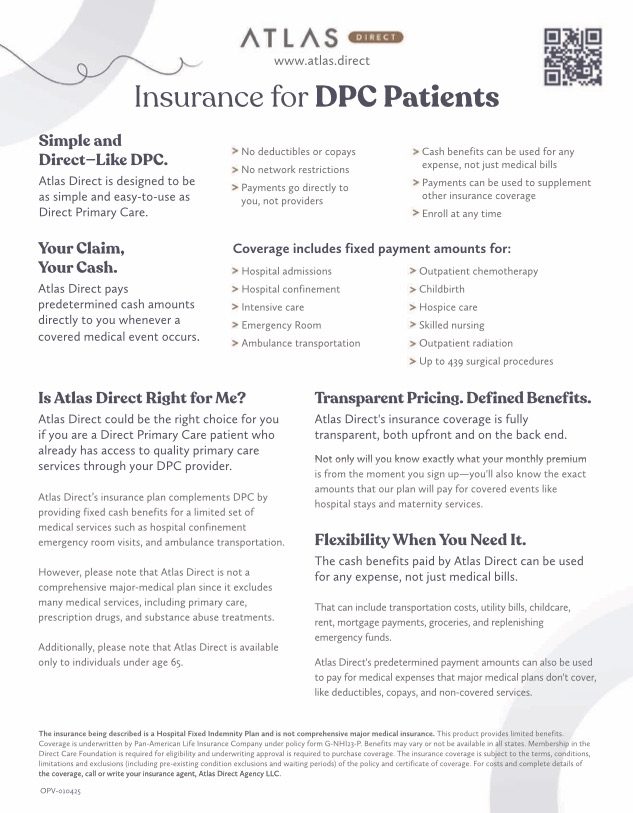
Finally a supplemental health insurance plan built specifically for Direct Primary Care practices like Balanced Physician Care
I’m happy to report that there is now a new insurance program called Atlas Direct that’s specifically designed to work with DPC.
It’s a fixed indemnity plan that offers coverage for hospitalization, emergency-room care, ambulance transportation and several other medical services as well as fixed payment amounts for over 400 surgeries and diagnostic procedures.
There are no deductibles or copays
Payments go directly to you, not providers
Cash benefits can be used for any expense, not just medical bills
There are no open enrollment periods, so you can enroll at any time
There are no network restrictions
It is also important to understand that Atlas Direct does not include Direct Primary Care itself, which you have to obtain from a Direct Primary Care provider (like Balanced Physician Care) who will charge you separately for their services (our membership).
Finally, please understand that Atlas Direct is not a comprehensive major medical plan and that if you are looking for comprehensive health insurance you should consult with a licensed insurance agent or visit your state’s health insurance marketplace.
For additional details about Atlas Direct’s benefits, eligibility, limitations, and exclusions, please see their brochure. For a list of the 439 surgeries and medical procedures covered by Atlas Direct, click here.
There are no deductibles or copays with Atlas Direct’s plan.
We are exciting about the possibilities with this new insurance option. It is worth taking a look at.
Prolozone Therapy®: An Alternative Treatment for Joint Pain and Chronic Conditions
Prolozone Therapy® is an alternative treatment sometimes used in integrative and holistic medicine. The therapy involves carefully injecting a solution that may include ozone (a form of oxygen), vitamins and minerals, and a local anesthetic into targeted tissues. Practitioners who offer Prolozone Therapy® suggest it may help support tissue health, circulation, and provide relief for certain types of chronic pain.
👉 Important Disclaimer: Prolozone Therapy® has not been approved by the U.S. Food and Drug Administration (FDA) for the treatment of any medical condition. Scientific evidence is limited, and results vary between individuals. This content is for educational purposes only and should not be considered medical advice or a guarantee of benefit. Always consult with a licensed healthcare professional before beginning any new treatment.
How Prolozone Therapy® Can Work
Prolozone Therapy® is sometimes described as a regenerative injection therapy. Practitioners believe that when ozone and nutrients are introduced into the body, it may:
Support oxygen use in tissues
Improve circulation
Stimulate the body’s natural repair processes
While research is ongoing, current studies remain preliminary and inconclusive. Some patients and practitioners report benefits for pain management, particularly in musculoskeletal conditions.
Key Components of Prolozone Therapy®
Ozone gas – A reactive form of oxygen thought to support oxygen utilization.
Nutrients – Vitamins and minerals sometimes added to support cellular repair.
Local anesthetic – Helps minimize discomfort during the injection.
Possible Uses of Prolozone Therapy®
Prolozone Therapy® is sometimes considered by people dealing with:
Arthritis (including knee and hip osteoarthritis)
Chronic pain conditions
Sports injuries
Back or neck pain
Tendon, ligament, or joint issues
⚠️ Note: Prolozone Therapy® should be considered experimental. Evidence for its effectiveness is limited, and outcomes vary by individual.
Is Prolozone Therapy® Safe?
When administered by trained professionals, Prolozone Therapy® is generally considered to have a low risk profile. Possible side effects may include:
Mild pain or soreness at the injection site
Temporary swelling or inflammation
Severe side effects are rare. Patients should discuss their full medical history with a qualified provider to determine whether Prolozone Therapy is appropriate for them.
Cost and Insurance Coverage
Because Prolozone Therapy® is classified as an alternative treatment, it is usually not covered by insurance. Many clinics offer self-pay or financing options for patients who wish to explore this therapy.
Regulatory Status of Prolozone Therapy®
In the United States, Prolozone Therapy® and other ozone-based treatments fall under complementary and alternative medicine. They are not FDA-approved, and providers may not claim guaranteed results.
The Bottom Line
Prolozone Therapy® is an investigational, non-surgical treatment option that some patients seek for joint pain and chronic musculoskeletal conditions. While some studies and patient reports suggest potential benefits, more research is needed to confirm its effectiveness.
If you are considering Prolozone Therapy®, speak with a licensed healthcare professional to understand the potential risks, costs, and whether this approach aligns with your overall care plan.
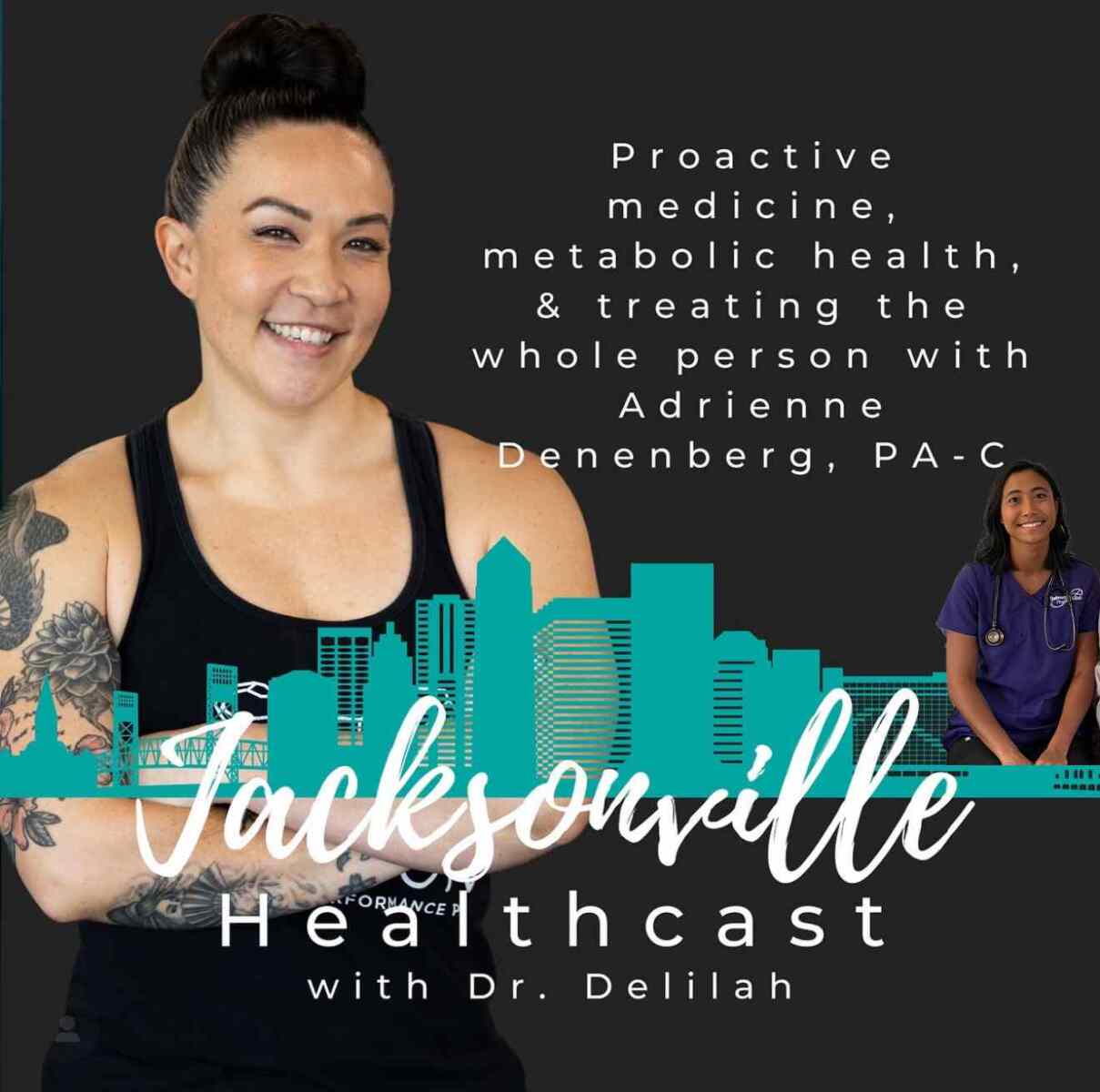
Dr Delilah Beall DPT of Samson Strength & Performance Physical Therapy and Adrienne Denenberg PA-C spend some time talking about direct primary care and why it is better than traditional insurance-based primary care, functional medicine, and how to focus on long term health. In This episode you’ll hear about:
What a direct primary care model is and how it differs from traditional insurance-based care
How Adrienne combines traditional and functional medicine to treat the whole person
Why metabolic health is a key focus — and what it actually means
How lifestyle factors like sleep, stress, nutrition, and exercise play into long-term wellness
Common internal and external barriers that keep people from making healthy choices
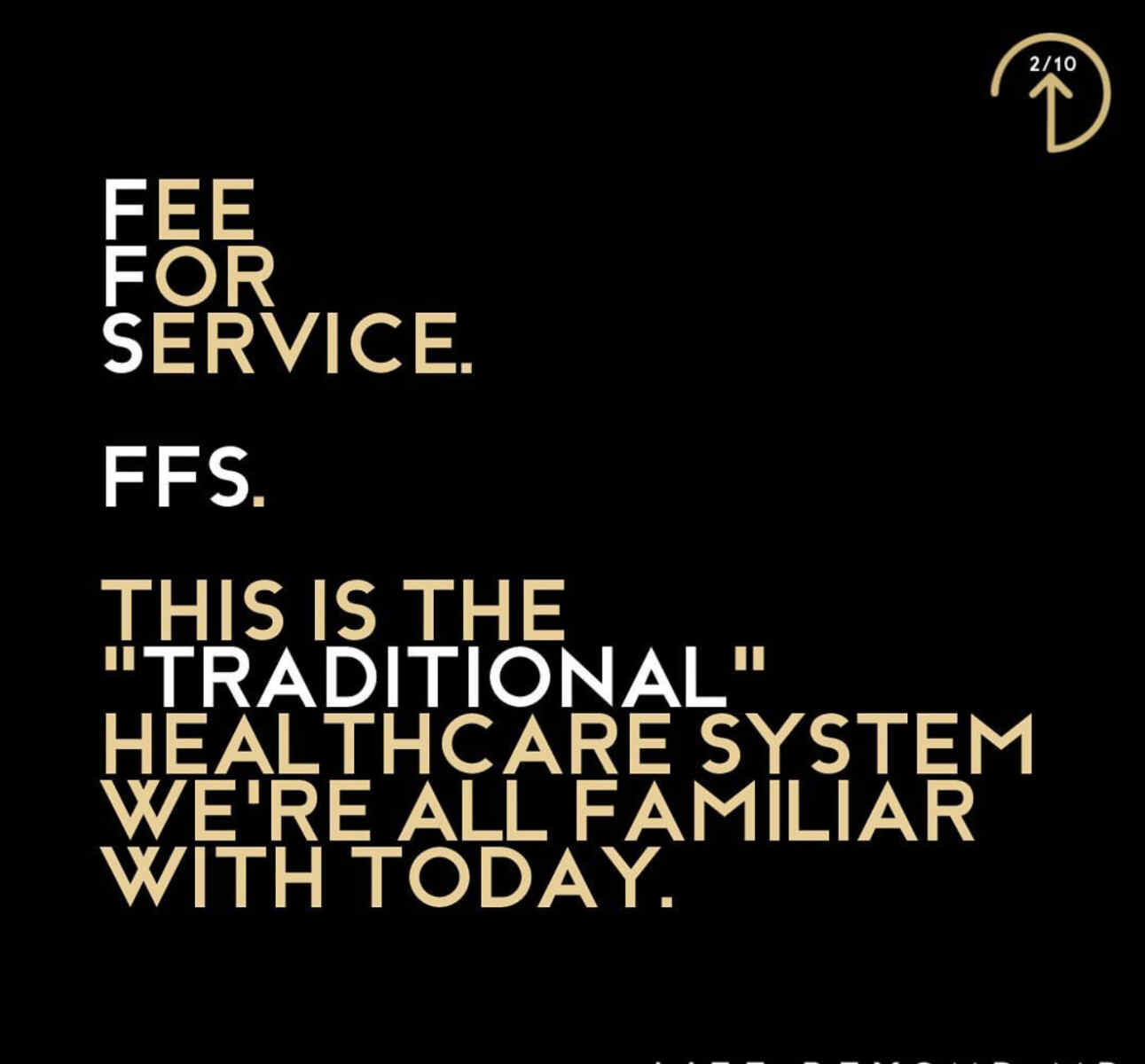
Check out the podcast episode below (use the arrows to navigate):
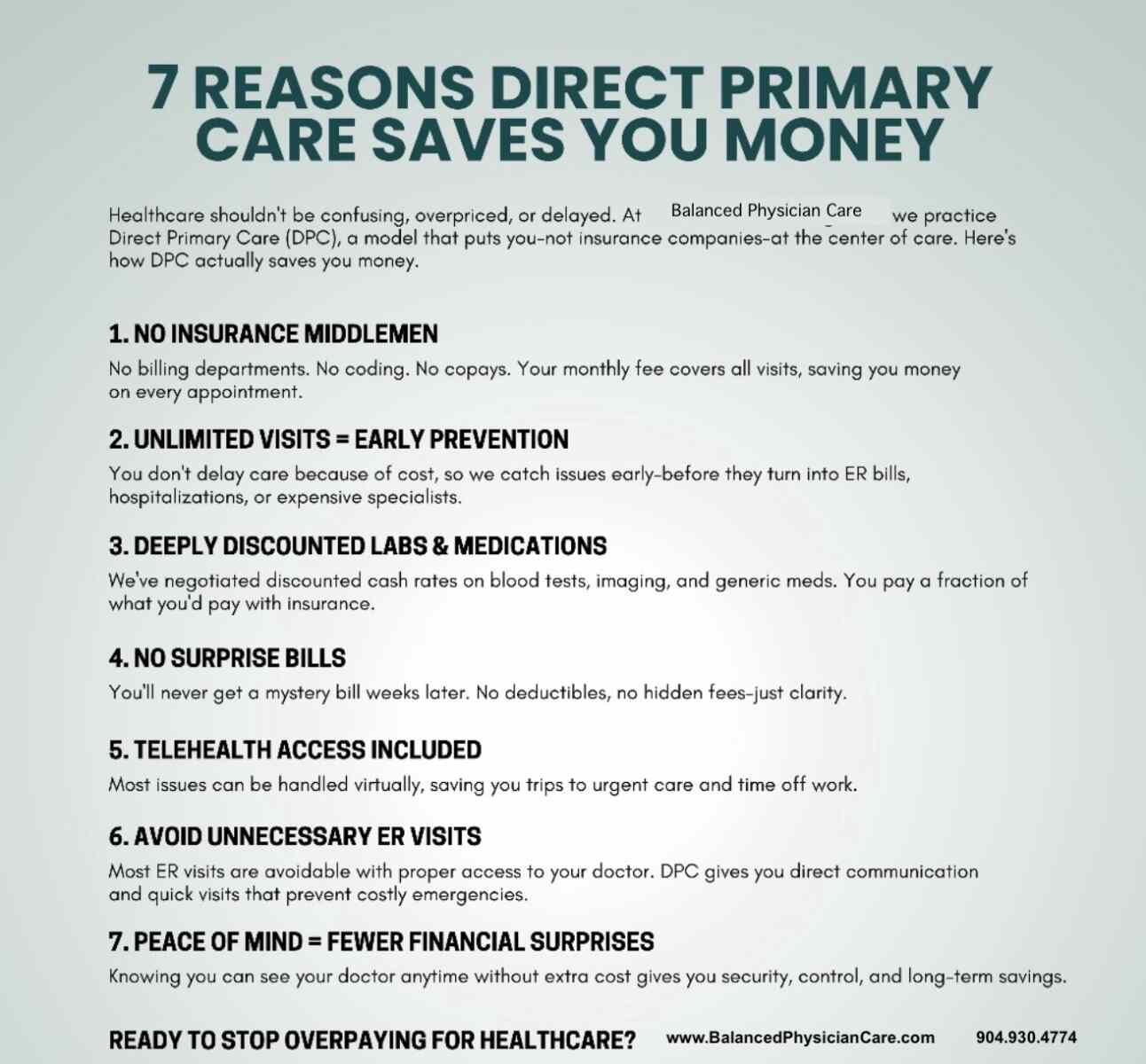
Take control of your health and your finances today with a flat monthly fee that covers your primary medical care. No surprises, just personalized medical care when you need it.
Become a member at Balanced Physician Care today. Flat monthly membership fee’s starting at $79 per month for Adults and $49 per month for kids. Just You and Your Doctor. Call today to set up your no obligation, 15 minute, Meet & Greet by calling Balanced Physician Care at 904-930-4774.
When taking care of your health, choosing the right approach is essential. One option that’s growing in popularity is Direct Primary Care (DPC). This model focuses on bringing a fresh perspective to healthcare by forming a direct relationship between doctors and patients. It works on a membership basis, so patients pay a set fee to access various medical services without worrying about extra charges. With more people exploring this option, knowing the ins and outs of DPC can help you decide if it’s right for you.
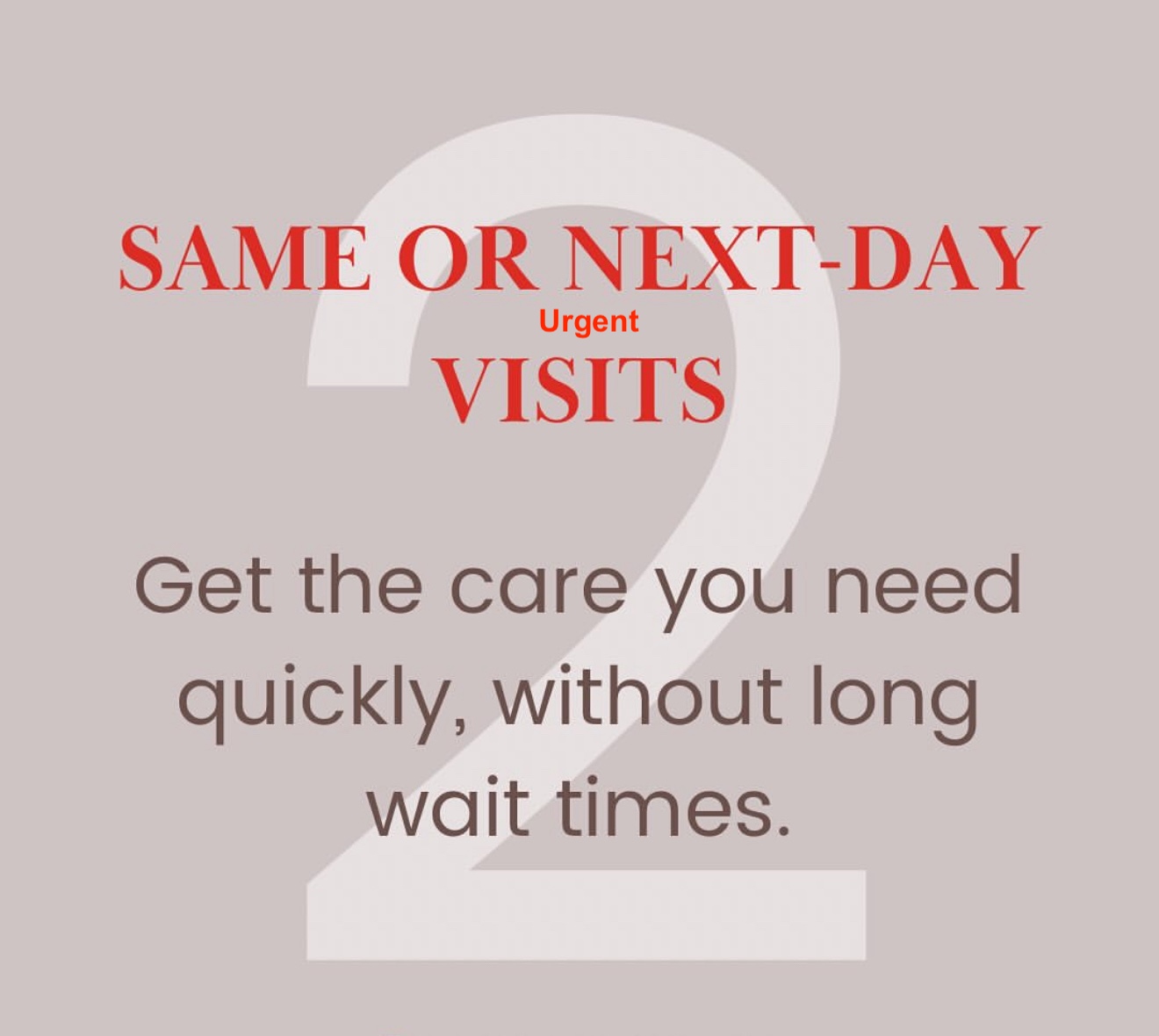
Living in Jacksonville offers unique health challenges, and DPC practices like Balanced Physician Care are working to address these with personalized care. Services such as primary care, holistic medicine, sports medicine, and acupuncture form the foundation of their offerings. This setup allows patients to keep their health in check while exploring ways to stay well. Let’s look more closely at some common issues folks encounter with DPC and how solutions can improve the experience for everyone involved.
Common Issues with Direct Primary Care
One of the first things patients wonder about with Direct Primary Care is the membership-based model. It’s a shift from the usual fee-per-visit setup and involves paying a monthly or yearly fee to cover all primary care services. For some, paying upfront can make them uneasy, as they’re used to paying for each appointment separately. Some worry about whether the cost is worth it or if they’ll need more specialized care not covered by the plan.
Access to specialized services is another area where questions arise. While DPC offers valuable primary care, its integration with specialties like holistic medicine, hormone therapy, weight loss, sports medicine, and acupuncture makes it appealing to many. However, patients often wonder if these services are readily available or if they’ll need to seek out other providers. This concern leads many to ask how these specialized treatments affect their health plan.
Communication between patients and doctors is key. In a typical healthcare setting, patients might feel rushed during visits or unable to get answers to their questions. DPC aims to change that by ensuring that communication channels are open and active. Still, some patients wonder if their concerns will be fully heard and addressed in this model. Effective communication is crucial to ensure all health matters are discussed openly.
Lastly, managing health over time presents its own set of challenges. Regular follow-ups and personalized medical care plans are the cornerstone of DPC, yet staying consistent with appointments can be tough for some people. The busy schedules many have often mean that routine checks get pushed aside, which can hinder long-term health management. Patients need to understand the importance of regular visits in keeping track of their health journey.
Solutions to These Common Issues
A little clarity goes a long way for those concerned about membership-based models. Paying a set fee might seem unusual, but it simplifies expenses and covers a range of services without the surprise of extra charges. This model allows patients to focus on their health without financial worries, knowing precisely what they’re getting each month. Reassurances about cost transparency remind people of the predictability that DPC provides.
Meanwhile, access to specialized services might raise eyebrows, but it’s a key feature of DPC that enhances care. Patients have access to a blend of primary care, holistic medicine, sports medicine, hormone therapy, weight loss, and acupuncture without having to jump through hoops. This approach integrates different therapies, working together to address various health needs. It’s not about choosing one type of care but having a holistic plan that includes multiple healing practices.
Communication is another area that shines in the DPC model. The goal is to create an environment where patients feel heard and understood. Direct Primary Care facilitates open dialogue between patients and doctors, providing seamless communication tools. It’s not just about medical jargon; it’s about having a conversation where concerns are addressed, and patients feel part of the discussion.
Lastly, when considering health management and regular check-ups, DPC helps prioritize these through tailored care plans. By focusing on individual needs, patients can adhere to a proactive approach that keeps them on track. Consistent care helps monitor progress and adjust plans as needed, ensuring their health remains a top priority without constant reminders.
Why Choose Direct Primary Care in Jacksonville
Jacksonville residents have unique healthcare needs, and Direct Primary Care offers a solution tailored to those requirements. Through its comprehensive model, DPC provides an accessible and personal healthcare experience. The combination of various services under one roof appeals to those seeking traditional and alternative medicine approaches.
DPC’s convenience lies in its structured membership, which provides peace of mind and eliminates unexpected costs. Patients find comfort in knowing they have a dedicated team supporting their wellness journey. With the potential for personalized care plans, DPC stands out as a viable choice for maintaining health without the complexities of traditional healthcare settings.
Investing in one’s health through Direct Primary Care offers more than routine visits. It opens doors to engaging various healthcare methods, ensuring a well-rounded approach to well-being that resonates with the lifestyle and preferences of Jacksonville’s community.
Ready to take charge of your health with personalized care options? Explore how direct primary care in Jacksonville can support your wellness journey. Balanced Physician Care offers a membership-driven approach that includes primary care, holistic medicine, weigh loss plans, hormone therapy, sports medicine, and acupuncture. With these integrated services, you can enjoy a seamless healthcare experience tailored to your needs. Discover how this innovative model fits your lifestyle and start reaping the benefits today. Call the Balanced Physician Care office at 904.930.4774 for more information.
Our memberships at Balanced Physician Care incorporate the benefits of direct primary care. To learn more about both our membership plans visit www.balancedphysiciancare.com/membership or call the office at 904.930.4774
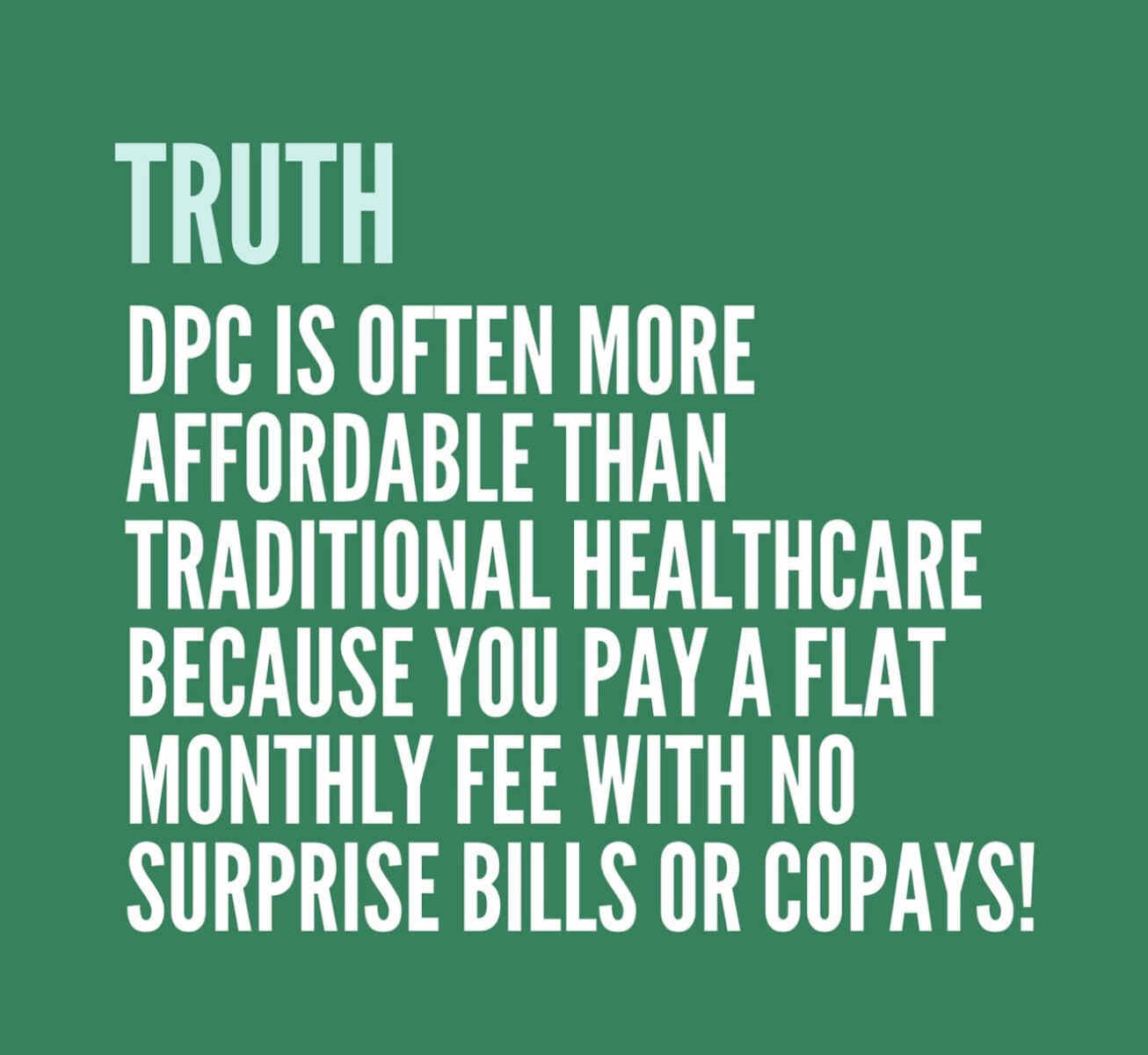
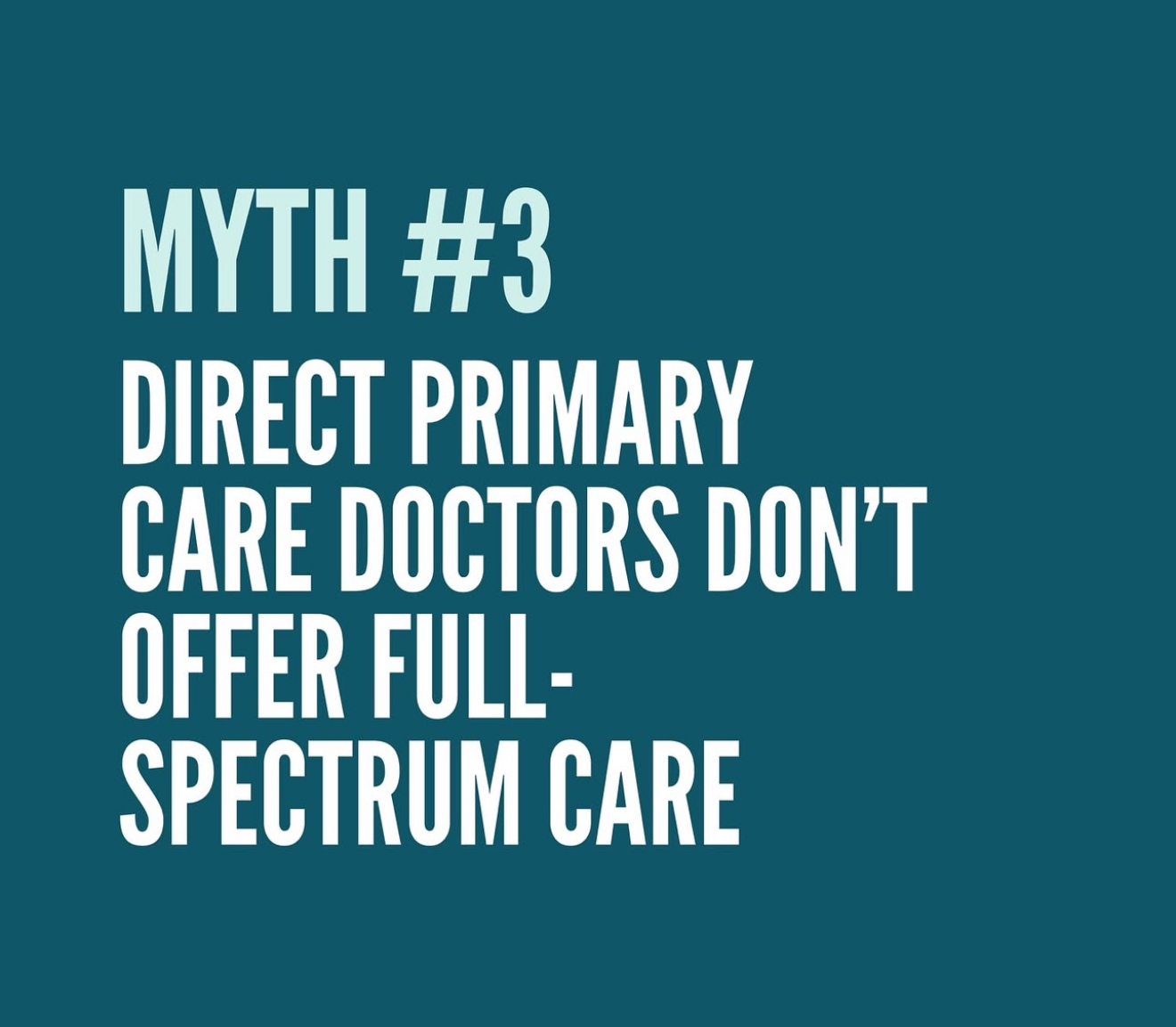
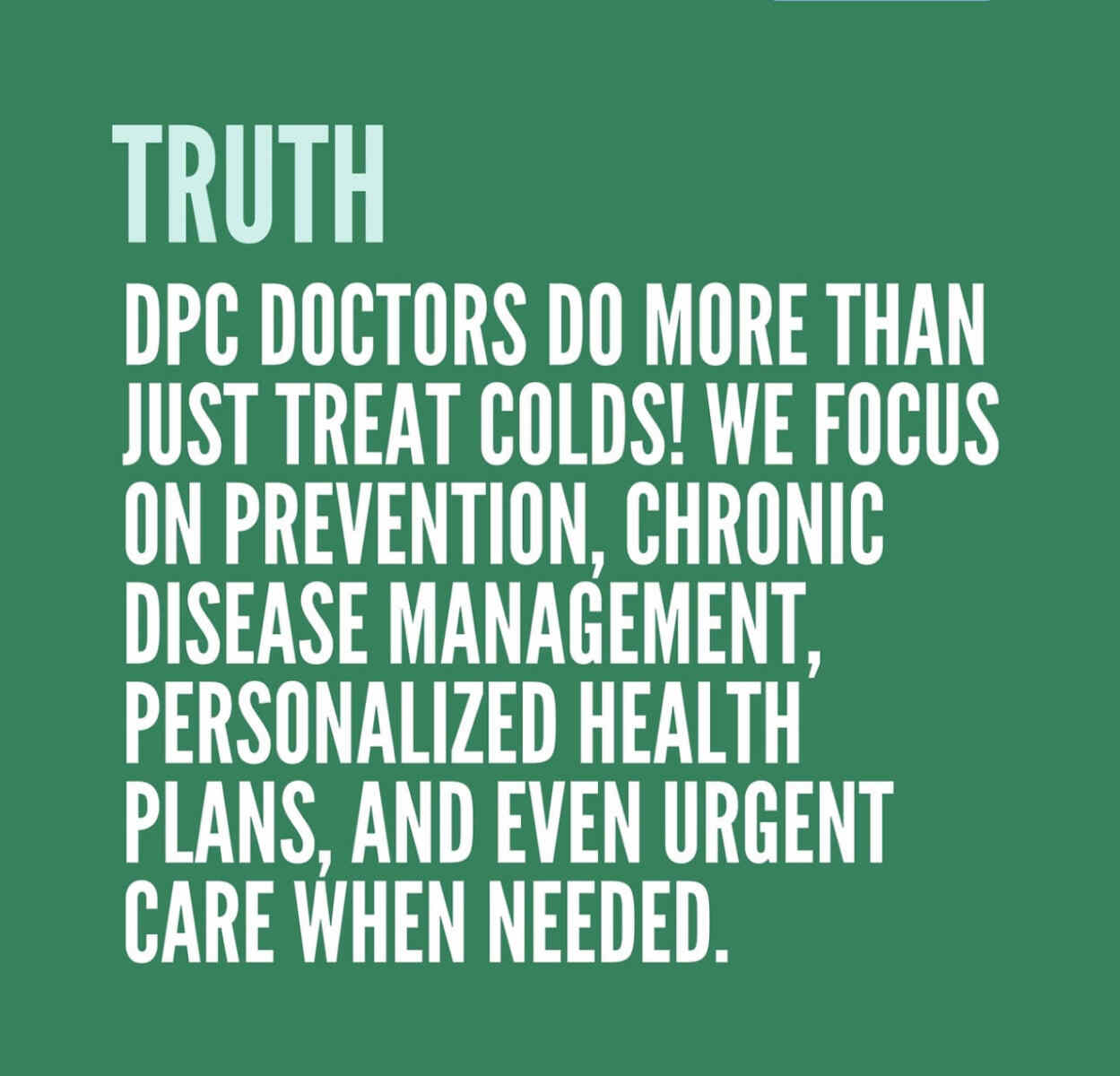
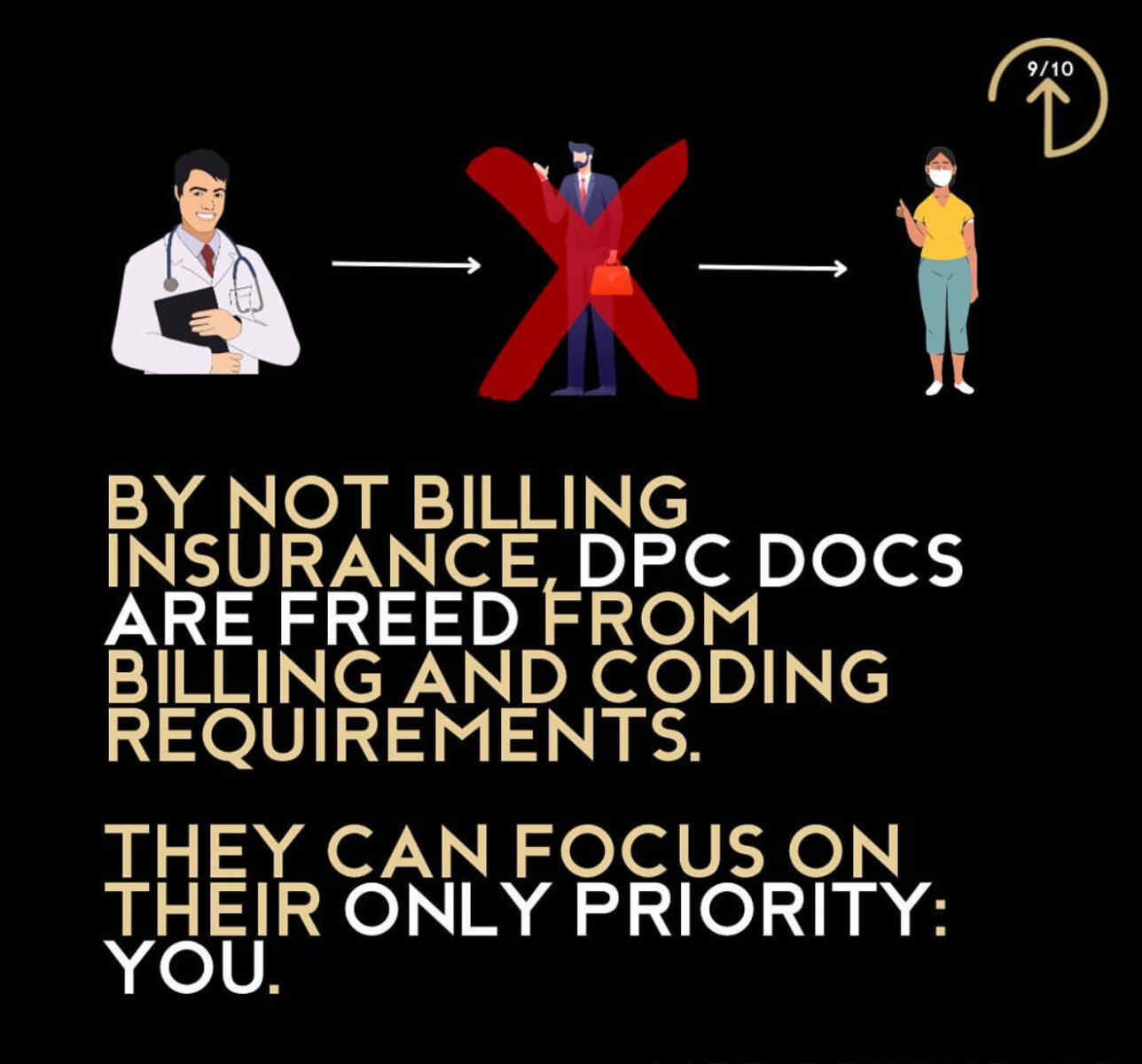
Direct Primary Care (DPC) is a healthcare model that offers a refreshing alternative to the traditional insurance-based system. By paying a monthly or annual fee, patients get access to comprehensive primary care services without the need for copays or dealing with insurance claims. Despite the benefits, there are still myths surrounding DPC that can lead to misunderstandings. Let’s debunk three of the most common myths to clear up any misconceptions and shed light on why DPC is an excellent choice for many individuals and families.
For more information about how Direct Primary Care works or to learn about our membership plans, visit www.balancedphysiciancare.com/membership or give the Balanced Physician Care office a call at 904-930-4774.











 Your body deserves better than endless paperwork.
  A provider who knows your name, not just your chart
 A response at 9PM when it matters, not a voicemail prompt
 R
R